
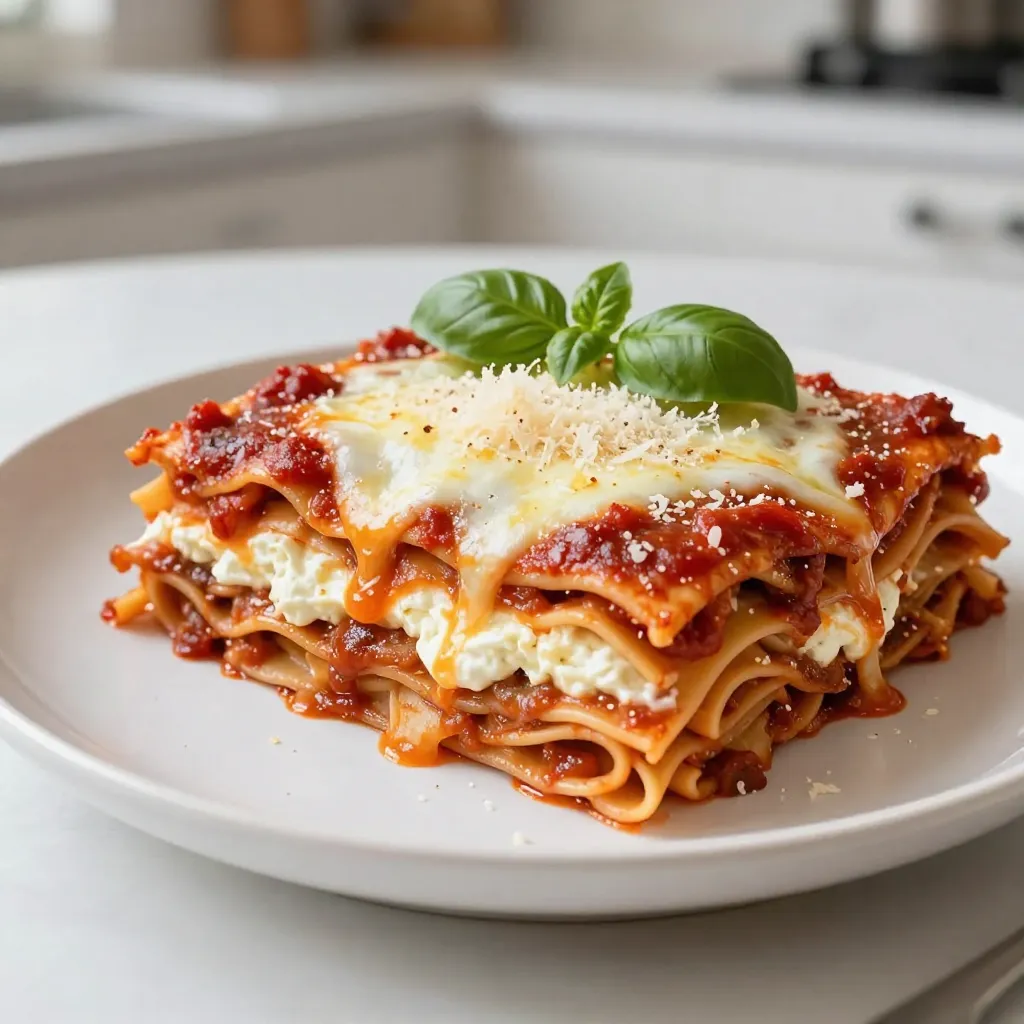
Welcome to my simple guide to easy comfort lasagna! If you crave a warm, cheesy dish that feels like a big hug, you’re in the right place. I’ll share my favorite ingredients, steps, and tips to make lasagna at home. You don’t need to be a chef—just follow along, and you’ll create a delicious meal. Let’s dive into the joy of making lasagna together!
Why I Love This Recipe
- Comforting Layers: This lasagna is a warm embrace on a plate, perfect for cozy family dinners or gatherings.
- Rich Flavor: The combination of creamy ricotta, savory marinara, and melted mozzarella creates an irresistible taste sensation.
- Customizable Options: Whether you prefer beef, turkey, or a vegetarian version, this recipe can easily adapt to your dietary preferences.
- Make Ahead: This lasagna can be prepared in advance and stored in the fridge, making it a convenient option for busy weeknights.
Ingredients
List of Main Ingredients
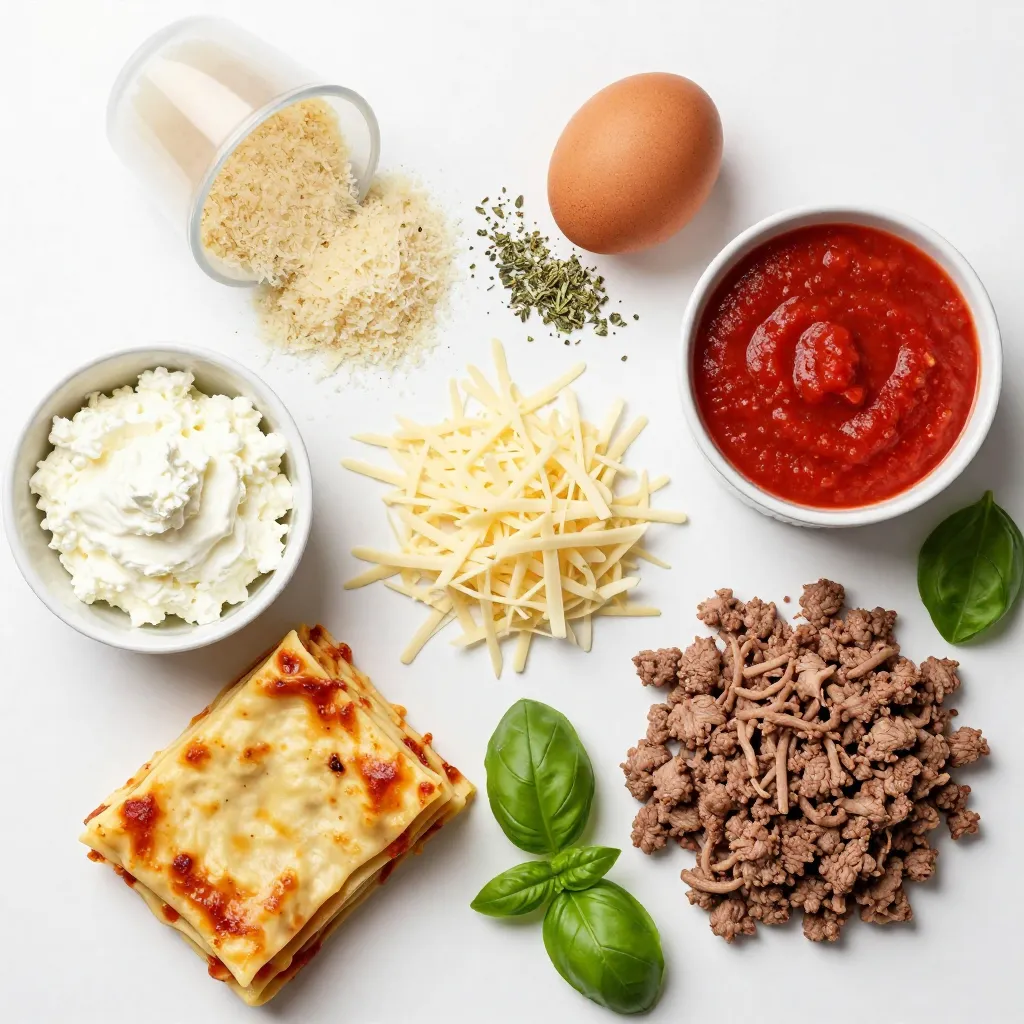
To make your Easy Comfort Lasagna, gather these key ingredients:
– 9 lasagna noodles
– 2 cups creamy ricotta cheese
– 1 cup shredded mozzarella cheese
– 1 cup finely grated Parmesan cheese
– 3 cups marinara sauce (store-bought or homemade)
– 1 large egg, beaten
– 1 tablespoon dried Italian herbs (basil, oregano, and thyme)
– 2 cups cooked ground beef or turkey (optional)
– Salt and freshly ground black pepper
– Fresh basil leaves for garnish
These ingredients create a rich and tasty lasagna. Each part adds to the overall flavor and texture.
Optional Add-ins and Variations
You can customize your lasagna with these fun add-ins:
– Spinach or kale for greens
– Mushrooms for extra depth
– Zucchini or eggplant for a veggie boost
– Different cheeses like goat cheese or cheddar
– A splash of red wine in the sauce for flavor
These options let you play with tastes and textures. Feel free to experiment until you find your favorite mix!
Recommended Tools and Equipment
Having the right tools makes cooking easier. Here’s what you need:
– A 9×13 inch baking dish
– A medium mixing bowl
– A spatula for spreading
– Aluminum foil to cover the dish
– A large pot for boiling noodles
– A colander for draining
These tools help you prepare, layer, and bake your lasagna. With the right setup, you will enjoy the process even more!
Step-by-Step Instructions
Preparing the Oven and Noodles
First, set your oven to 375°F (190°C). This warm heat creates a cozy space for baking. Next, cook the lasagna noodles. Follow the package instructions until they are al dente. Drain them well and let them cool a bit. This step helps keep the noodles from sticking together.
Mixing the Ricotta Filling
Grab a medium mixing bowl. Add 2 cups of creamy ricotta cheese. Now, beat 1 large egg and mix it in. Add half of the grated Parmesan cheese—about ½ cup. Toss in 1 tablespoon of dried Italian herbs, along with salt and pepper to taste. Stir all the ingredients until they blend into a smooth, creamy filling.
Layering the Lasagna
Take a 9×13 inch baking dish. Pour a little marinara sauce at the bottom to prevent sticking. Lay down 3 lasagna noodles next. Spread half of your ricotta mixture over them. If you want, add half of the cooked ground beef or turkey for extra protein. Drizzle some marinara sauce over this layer and sprinkle a handful of mozzarella cheese on top.
Next, add another layer. Place 3 more noodles down. Spread the rest of the ricotta mixture over them. If using meat, add another layer of ground beef or turkey. Follow with more marinara sauce and another handful of mozzarella cheese.
For the final layer, arrange the last 3 noodles on top. Pour the remaining marinara sauce over them. Sprinkle the rest of the mozzarella and Parmesan cheese generously.
Baking and Final Touches
Cover the baking dish tightly with aluminum foil. This step traps steam and helps cook the lasagna evenly. Place it in your preheated oven and bake for 25 minutes. After that, take off the foil and bake for another 15 minutes. Look for bubbly cheese and a golden brown top.
Let the lasagna cool for about 10 minutes before cutting. Garnish with fresh basil leaves for a lovely touch. Now, you’re ready to serve a delicious, homemade lasagna!
Tips & Tricks
How to Prevent Soggy Lasagna
Soggy lasagna happens when too much moisture builds up. To avoid this, start by draining your noodles well after cooking. Use a colander and let them cool. You can also bake your noodles for a few minutes to dry them out. Additionally, do not add too much sauce. A light layer keeps everything moist without drowning the dish.
Best Practices for Layering
Layering is key to a great lasagna. Start with a layer of sauce at the bottom to prevent sticking. Then, place three noodles in a straight line. Spread half of the ricotta mix over the noodles, followed by sauce, meat, and cheese. Repeat this process for each layer. Finish with noodles, sauce, and a generous cheese topping. This order keeps flavors balanced and creates a beautiful dish.
Using Store-Bought vs. Homemade Marinara Sauce
Both store-bought and homemade marinara sauce work well in lasagna. Store-bought sauce is quick and easy. Look for brands with no added sugars or preservatives for a better taste. Homemade sauce gives you full control of flavors. You can add herbs or spices to match your taste. If you have the time, I recommend making your own for a richer flavor.
Pro Tips
- Perfect Noodle Texture: Ensure the lasagna noodles are cooked al dente; this prevents them from becoming mushy during baking.
- Cheese Layering: For an extra cheesy pull, mix some of the mozzarella into the ricotta mixture and reserve some for the top layer.
- Resting Time: Allow the lasagna to rest for at least 10 minutes after baking; this helps the layers set and makes for cleaner slices.
- Herb Freshness: For a fresher flavor, consider adding fresh herbs like basil or parsley to the ricotta mixture or as a garnish.
Variations
Vegetarian Lasagna Options
You can easily make a vegetarian lasagna. Use veggies like spinach, zucchini, or mushrooms. Replace meat with extra layers of veggies. Blend in ricotta cheese for creaminess. You can also add spinach for color and taste. This makes it healthy and tasty.
Dairy-Free Alternatives
If you need a dairy-free lasagna, swap the cheese. Use cashew cheese or tofu. These options taste great and give a creamy texture. You can also use dairy-free mozzarella for a cheesy flavor. Check labels to ensure all ingredients are dairy-free.
Switching Up the Proteins
Want to change up the protein? Try ground chicken or sausage. Each option adds a unique flavor. You can even mix different proteins for a fun twist. Beans are a great choice for a filling, plant-based protein. Feel free to experiment and find what you like best.
Storage Info
How to Store Leftover Lasagna
To store leftover lasagna, let it cool first. Once it’s cool, place it in an airtight container. You can also wrap it tightly in plastic wrap. This keeps it fresh in the fridge. Leftover lasagna can last up to four days in the fridge.
Make sure to label your container with the date. This helps you remember when it was made. If you’re not sure when to eat it, check for any off smells or mold before eating.
Freezing Tips for Lasagna
You can freeze lasagna for longer storage. First, cool it completely. Then, cut it into portions. This makes it easier to reheat later. Wrap each piece tightly in plastic wrap. After that, place the wrapped pieces in a freezer-safe bag.
Label the bags with the date. Frozen lasagna is best enjoyed within three months. When you’re ready to eat, thaw it in the fridge overnight before reheating.
Reheating Instructions
To reheat lasagna, preheat your oven to 350°F (175°C). If frozen, fully thaw it first. Place the lasagna in an oven-safe dish. Cover it with foil to keep it moist. Bake for about 20-30 minutes.
Check the center to ensure it’s hot. You can also reheat individual slices in the microwave. Heat in 1-minute intervals until warm. Always let it sit for a minute before enjoying. This helps prevent burns and makes it easier to eat.
FAQs
Can I prepare lasagna in advance?
Yes, you can prepare lasagna ahead of time. You can layer it all in a baking dish and keep it in the fridge. Just cover it tightly with foil. This way, the flavors can meld together. You can bake it the next day or even freeze it for later. If you freeze it, just remember to thaw it overnight in the fridge before baking.
How long does lasagna last in the fridge?
Lasagna can last up to 3 to 5 days in the fridge. Make sure to store it in an airtight container. If you see any signs of spoilage, like an off smell or mold, it’s best to toss it out.
What can I serve with lasagna?
Lasagna pairs well with many side dishes. Here are some ideas:
– Garlic bread for a crunchy side.
– A fresh salad to add crunch.
– Roasted vegetables for a healthy touch.
– A classic Caesar salad for a twist.
Feel free to mix and match based on your preference!
This blog post covered all the essentials for making lasagna. We explored key ingredients, tools, and step-by-step instructions to ensure your cooking is easy. I shared tips to avoid soggy layers and offered different variations to fit your needs. Storage and reheating methods will help you enjoy leftovers too.
Lasagna is a dish full of options. With practice, you can make it your own. Enjoy cooking and sharing your delicious lasagna creation